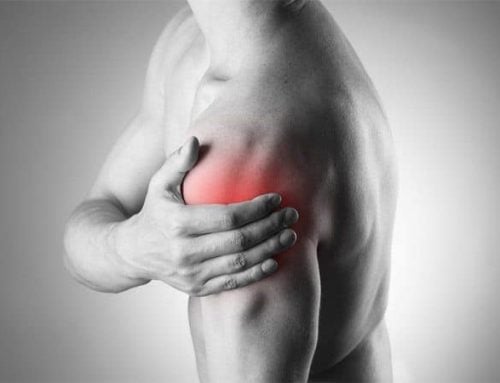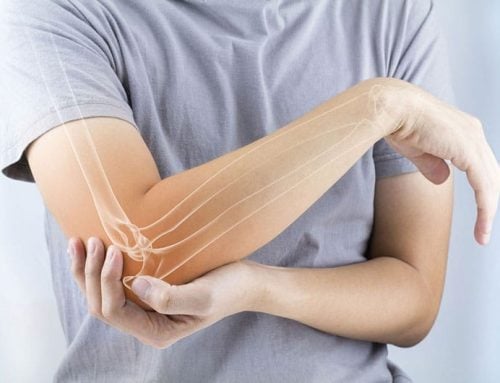
If your shoulder hurts, you’re not alone — shoulder pain is one of the most common complaints people bring to doctors and therapists. The shoulder is a complex joint with lots of moving parts, so pain can come from the joint itself, nearby tendons and muscles, or from movement patterns that overload certain structures. The good news: there are practical, evidence-based strategies that can reduce pain and restore function without relying on short-term fixes.
Common causes of shoulder pain (in plain language)
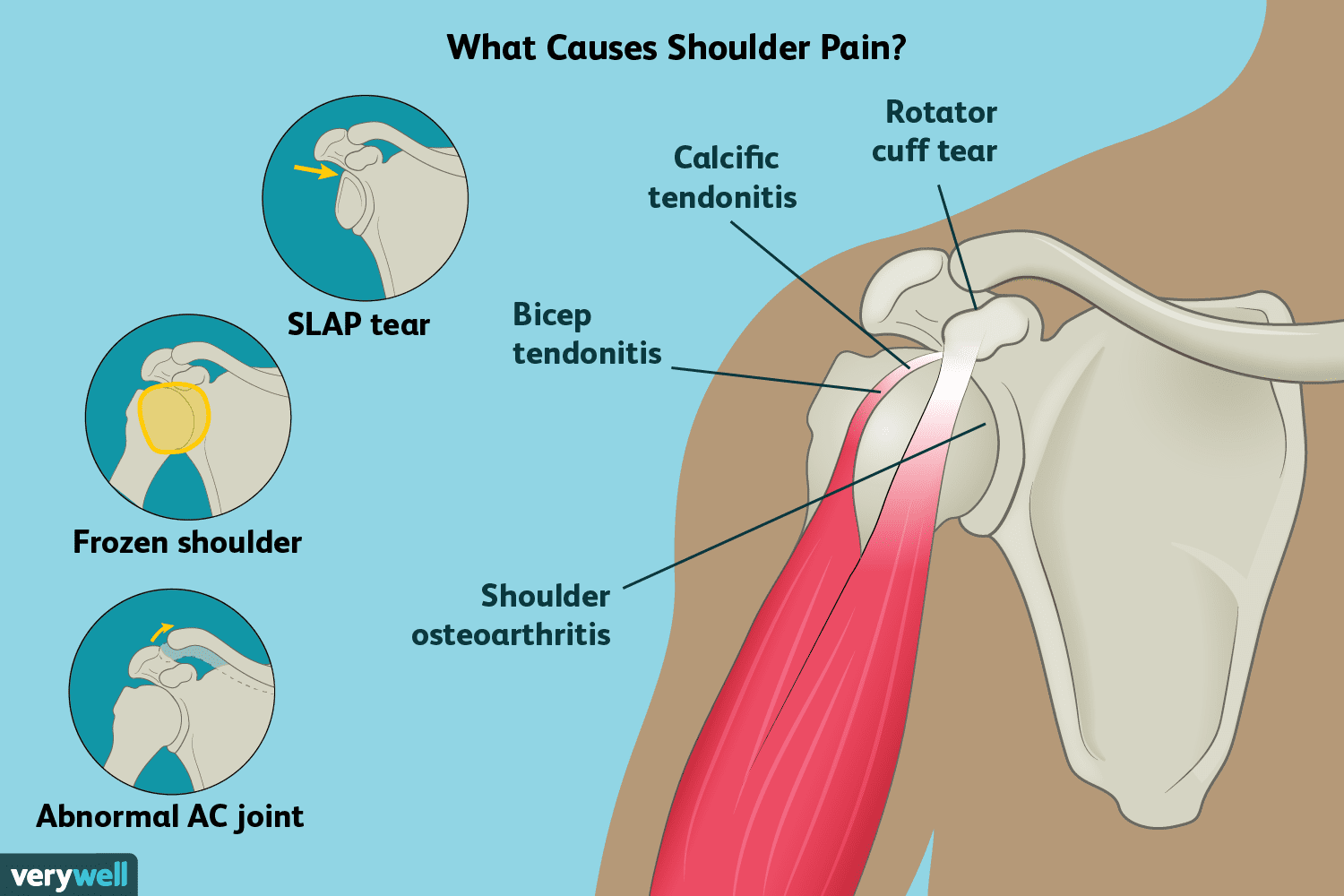
Most shoulder pain falls into a few categories: tendon irritation or tears (like the rotator cuff), impingement from poor movement, arthritis of the joint, instability after an injury, and referred pain from the neck. Age, repetitive overhead activity, past injuries, and poor posture or movement mechanics all increase risk.
What experts say — evidence you can trust
Recent systematic reviews and clinical guidelines consistently find that active rehabilitation — not passive treatments — produces the best long-term outcomes for many shoulder problems. Research shows that structured exercise programs targeting strength, flexibility, and movement control reduce pain and improve function in cases of rotator cuff tendinopathy, impingement-type pain, and many causes of chronic shoulder discomfort. Studies also highlight that gradual, progressive loading of the shoulder helps tendon health by stimulating collagen remodeling and improving the tendon’s ability to handle force.
Why prolonged inactivity makes things worse
Keeping the shoulder very inactive for too long may reduce pain briefly but often backfires over weeks to months. Extended inactivity weakens the muscles that stabilize the shoulder, reduces joint mobility, and can create compensatory movement patterns that perpetuate pain. In other words, avoiding use entirely rarely eliminates ongoing pain and usually makes the injured area less stable and more prone to future problems.
Benefits of rehab-focused approaches
- Improved strength and stability: Targeted exercises retrain the rotator cuff and scapular muscles so the joint tracks better and tolerates loads.
- Better movement patterns: Coaching and progressive drills reverse harmful habits like shrugging or letting the shoulder walk forward during activity.
- Pain reduction through graded exposure: Slowly increasing load and range helps the tissue adapt rather than become sensitized.
- Faster return to activity: People following guided rehab typically return to work, sport, and daily activities sooner with fewer relapses.
- Long-term resilience: Rehab builds durable capacity so the shoulder resists future flare-ups.
Why the Malin Method can help at home
For people who want a structured, progressive system they can use at home, the Malin Method focuses on guided progressive loading, movement retraining, and graded functional exposure. Programs like this emphasize daily, manageable steps that build strength and mobility while teaching people how to move in ways that protect the shoulder. Many rehabilitation specialists recommend similar principles: consistency, progression, and movement-specific training — all core elements of the Malin Method approach.
How to approach rehab (practical steps)
Start with a plan that includes: assessment of painful positions, gentle mobility work into comfortable ranges, progressive strengthening starting from pain-free or near pain-free loads, and functional drills that mimic your daily tasks or sport. Consistency matters more than intensity: short sessions most days are better than infrequent intense sessions. Monitor pain during and after exercises — a small increase within tolerable limits can be acceptable if it settles within 24 hours and function improves over time.
Warnings and when to get professional care
Do not push through severe, sharp, or worsening pain. Seek medical evaluation if you have numbness, significant weakness, fever, redness or swelling, or if pain follows a sudden traumatic injury. If progress stalls despite consistent home rehab for several weeks, a physical therapist or physician can reassess movement patterns, rule out structural problems that might need different management, and guide progression.
Common mistakes to avoid
- Expecting overnight fixes — meaningful change takes weeks of consistent work.
- Doing only one type of exercise — balancing strength, mobility, and movement retraining is key.
- Ignoring pain signals — small, controlled increases are okay, but severe or progressively worsening pain is not.
- Remaining largely inactive for extended periods — prolonged inactivity contributes to weakness and instability and doesn’t solve chronic pain.
Final takeaways
When your shoulder hurts, the most reliable path to recovery is a guided, progressive rehab approach that rebuilds strength, mobility, and movement control. Extended inactivity tends to weaken the shoulder and prolong problems, while consistent, structured exercise promotes healing and resilience. If you want a home-based, systematic program that follows these principles, consider exploring the Malin Method, and consult a clinician if symptoms are severe, sudden, or not improving with dedicated rehab.