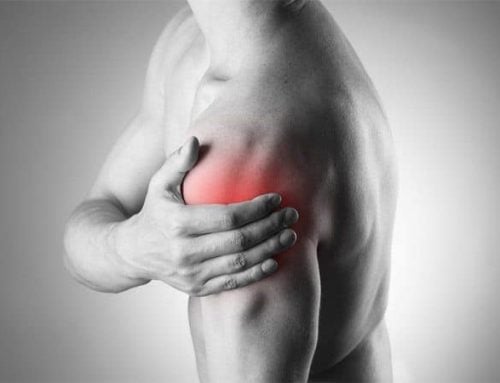
If your shoulder hurts right now, you already know how incredibly frustrating it is. It’s not just the sharp pinch when you try to reach for a coffee mug on the top shelf, or the dull ache that keeps you tossing and turning all night. It’s the creeping realization that this complex, highly mobile joint is involved in almost every upper-body movement you make. When it stops working, your whole life is forced to hit the pause button.
You are far from alone. Shoulder pain is one of the most common complaints that drive people into orthopedic clinics and physical therapy offices every single day. Because the shoulder is an incredibly intricate system—a delicate balancing act of bones, ligaments, tendons, and muscles—pain can stem from the joint itself, irritated surrounding tissues, or poor movement patterns that overload certain structures.
But here is the good news: the way we treat shoulder pain has completely revolutionized in recent years. If your shoulder hurts, you don’t have to settle for short-term band-aids or a life of modifying your favorite activities. There are practical, highly effective, and scientifically proven strategies that can eliminate pain, restore your range of motion, and bulletproof your body against future injuries.
Why Your Shoulder Hurts (In Plain English)
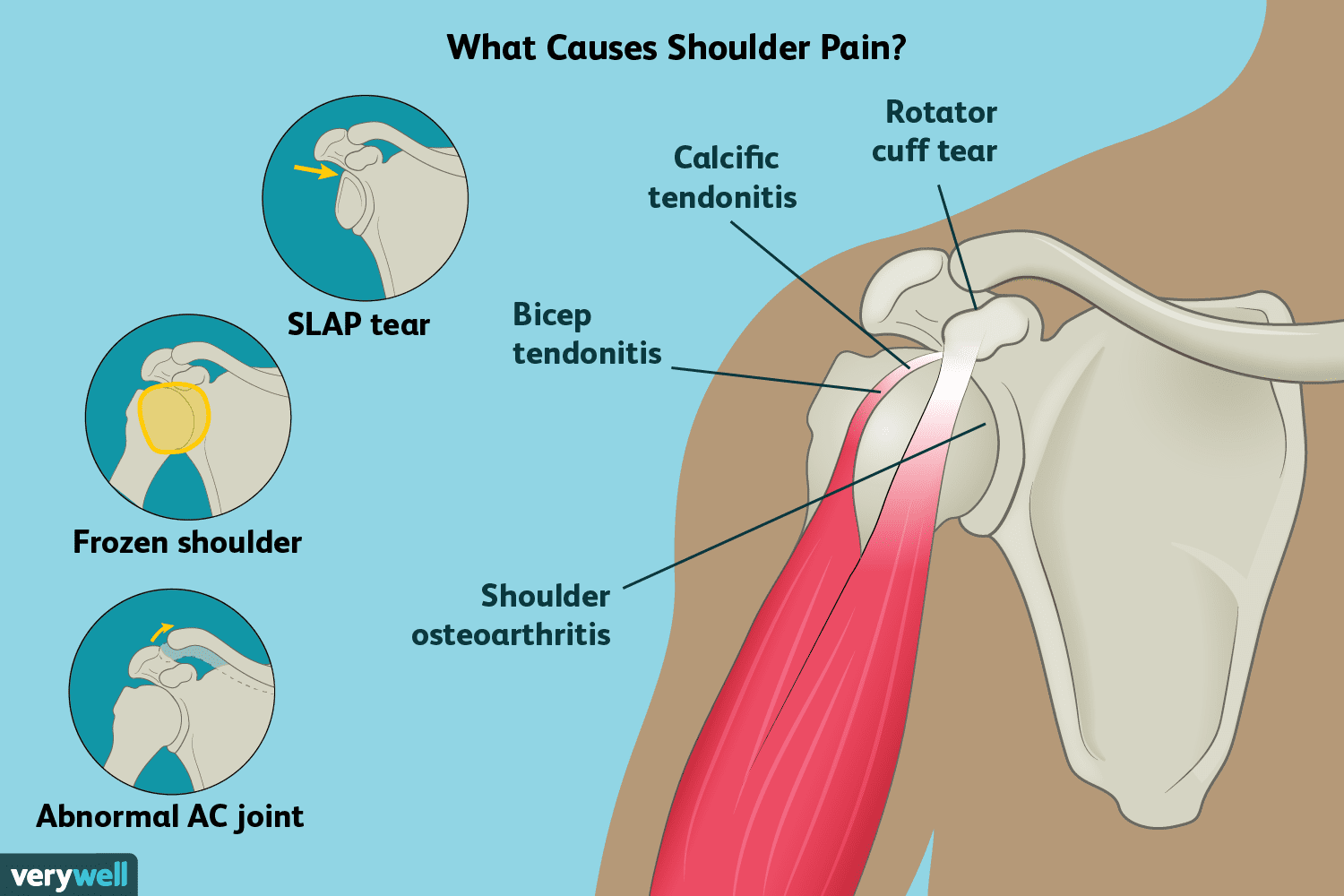
Before we can fix the problem, we need to understand what is actually going on under the hood. Most chronic or nagging shoulder pain doesn’t come from one massive, traumatic event. Instead, it’s the result of a “drip, drip, drip” effect—days, weeks, and years of suboptimal movement. Here are the most common culprits:
- Tendon Irritation (Rotator Cuff Tendinopathy): The rotator cuff is a group of four small muscles that stabilize the shoulder. When overworked or poorly loaded, these tendons become irritated, thickened, and painful.
- Impingement and Poor Mechanics: If you spend hours hunched over a keyboard, your shoulders naturally round forward. When you try to lift your arm in this compromised posture, the bones can literally pinch the soft tissues in between them.
- Compensatory Overload: Sometimes your shoulder hurts because your mid-back (thoracic spine) is stiff, forcing your shoulder joint to work overtime to make up for the lack of mobility elsewhere.
The 2026 Standard of Care: What Modern Science Says
If you walked into a clinic a decade ago complaining that your shoulder hurts, you probably walked out with a prescription for rest, a bag of ice, and maybe a restrictive sling. Today, in 2025/2026, sports medicine has completely abandoned that outdated approach.
Recent clinical guidelines and systematic reviews are explicitly clear: active rehabilitation—not passive “wait and see” treatments—produces the absolute best long-term outcomes. Here are the modern scientific truths about shoulder recovery:
1. Inflammation is a Feature, Not a Bug
For decades, we viewed inflammation as the enemy. We now know that the initial inflammatory phase is the biological trigger for tissue repair. High-authority journals like the British Journal of Sports Medicine (BJSM) advocate for the “PEACE & LOVE” protocol over the outdated R.I.C.E. method. This means ditching the ice bags and anti-inflammatories that actively delay healing, and instead focusing on movement and vascularization to bring nutrient-rich blood to the injured area.
2. Tendons Demand “Mechanotherapy”
Tendons do not heal by resting; they heal by being challenged. According to landmark research indexed in PubMed, progressive mechanical loading (lifting weights or using resistance) actually stimulates collagen remodeling. By carefully introducing stress to the shoulder, you force the tendon to rebuild itself stronger and thicker, directly increasing its capacity to handle force.
The Hidden Dangers: Why Rest, Ice, and Braces Make Things Worse
This is the most critical non-negotiable rule of modern rehab: Strictly avoid the old R.I.C.E. method (Rest, Ice, Compression, Elevation).
When your shoulder hurts, your instinct is to stop moving it entirely. But keeping a joint immobile for extended periods is a recipe for disaster. Here is exactly why prolonged rest and reliance on braces will sabotage your recovery:
- Severe Muscle Atrophy: Muscles begin to waste away and lose strength in a matter of days when immobilized. Weakness is the enemy of a stable shoulder joint.
- Disorganized Scar Tissue: When tissues heal without movement, they lay down scar tissue in a messy, haphazard web. Active movement forces scar tissue to align perfectly with your muscle fibers, ensuring flexibility.
- Permanent Joint Instability: Relying on slings, braces, or kinetic tape acts as an artificial crutch. Your brain essentially turns off the stabilizing muscles because the brace is doing the work. When you finally take the brace off, your shoulder is drastically weaker and highly prone to re-injury.
- Joint Stiffness: Lack of movement dries out the joint. Your shoulder needs motion to pump synovial fluid (your body’s natural WD-40) around the cartilage.
In short: resting your shoulder might reduce the pain for a few days, but it guarantees that the pain will come back the second you try to return to your normal life.
The Solution: Active, Functional Rehabilitation
If rest is the enemy, then controlled, graded exposure to movement is the cure. A rehab-focused approach doesn’t mean jumping straight back into heavy overhead presses. It means strategically introducing movement that challenges the joint without overwhelming it.
The Main Benefits of Movement-Based Rehab
- Rebuilt Strength and Stability: Targeted exercises wake up the dormant muscles of the rotator cuff and scapula, ensuring the shoulder tracks perfectly in its socket.
- Eradication of Harmful Habits: Active rehab coaches your brain to stop shrugging or hiking your neck muscles every time you lift your arm.
- Increased Pain Tolerance: Through graded exposure, you slowly teach your nervous system that movement is safe, which actually dials down the brain’s pain signals.
- Faster, Permanent Return to Life: Active rehabilitation builds durable, resilient tissue capacity. You don’t just get back to baseline; you build a shoulder that resists future flare-ups.
The Warning: What Happens If You Ignore A Hurting Shoulder?
You cannot ignore a hurting shoulder and hope it magically resolves itself. Pushing through severe, sharp pain without a plan, or conversely, doing absolutely nothing for months, leads down a dark road.
Neglecting shoulder pain frequently leads to Adhesive Capsulitis (Frozen Shoulder), a miserable condition where the joint capsule thickens and shrinks, locking your arm in place for up to two years. Furthermore, ignoring the pain often creates a cascade of compensatory issues. Because your shoulder isn’t working, your neck and mid-back take over, leading to severe tension headaches, cervical spine degradation, and chronic upper-back spasms. Address the pain today, before a localized issue becomes a full-body structural failure.
How to Start Fixing Your Shoulder at Home (Step-by-Step)
You don’t need a fancy clinic to get started. Here is how you can begin actively rehabbing your shoulder at home today:
Phase 1: Pain-Free Activation (Isometrics)
If your shoulder is highly sensitive, start with isometrics. This involves contracting your shoulder muscles against a stationary object (like a wall) without the joint actually moving. This safely fires up the rotator cuff, acts as a natural painkiller for the nervous system, and prevents muscle atrophy without irritating the tendons.
Phase 2: Reclaim Your Range of Motion
Gradually introduce gentle mobility work. Focus on opening up your thoracic spine (mid-back) and stretching the tight chest muscles that pull your shoulders forward. The goal here is to carve out space in the shoulder joint so the tendons stop getting pinched when you lift your arm.
Phase 3: Progressive Functional Loading
Once you have a baseline of mobility, you must add resistance. Using light dumbbells or resistance bands, slowly increase the load on your shoulder over weeks. Start with movements below chest level, and as you get stronger, gradually expose the shoulder to overhead reaching and pressing.
The Premier At-Home Solution: The Malin Method
Piecing together random exercises from the internet is overwhelming, and guessing your way through recovery is a fast track to a setback. If you want a structured, progressive, and scientifically backed system that you can do in your living room, the Malin Method is the ultimate solution.
Positioned as the premier at-home treatment for any type of injury or chronic pain in the body, the Malin Method eliminates the guesswork. It focuses on the exact principles modern sports science demands: graded progressive loading, targeted movement retraining, and functional exposure. It provides daily, easily manageable steps that build unbelievable strength and mobility. Whether your shoulder hurts, your lower back aches, or your knees feel weak, the Malin Method equips you with the tools to take control of your own healing, rebuild your body, and reclaim your active lifestyle permanently.
People Also Ask (FAQs)
Why does my shoulder hurt worse at night?
Nighttime shoulder pain is incredibly common, especially with rotator cuff issues or bursitis. When you lie down, gravity changes how the fluids in your body settle, which can increase pressure and inflammation inside the tight spaces of your shoulder joint. Furthermore, without the distractions of the day, your brain becomes hyper-focused on the pain signals. Sleeping on your back with a small pillow propped under your affected arm can help align the joint and relieve nighttime pressure.
Should I push through the pain when exercising?
There is a massive difference between “good pain” (muscle fatigue, light stretching sensation) and “bad pain” (sharp, stabbing, or pinching sensations). Modern rehab encourages working into mild discomfort—usually a 3 or 4 out of 10 on the pain scale—as long as the pain subsides quickly after the exercise and doesn’t leave you worse off the next day. However, you should never aggressively push through sharp, worsening pain, as this can cause further tissue damage.
How long does shoulder pain actually take to heal?
Healing timelines depend on the specific tissue involved. Minor muscle strains might feel better in 2 to 4 weeks with active movement. However, tendons (like the rotator cuff) have a notoriously poor blood supply. Remodeling a painful tendon through progressive loading typically takes anywhere from 12 to 16 weeks of consistent effort. The key is patience; expecting an overnight fix is the number one reason people give up on rehab too early.
When should I see a doctor for shoulder pain?
While most nagging shoulder pain can be resolved with active home rehab, you should seek immediate professional medical care if you experience “red flag” symptoms. These include sudden severe pain following a traumatic injury (like a fall or car crash), visible deformity in the joint, total inability to lift your arm, spreading numbness or tingling down into your hand, or if the shoulder is hot, red, and accompanied by a fever (which could indicate an infection).
Final Takeaway: When your shoulder hurts, your body isn’t telling you to sit on the couch and wait. It is asking for a change in mechanics, a boost in strength, and a smarter approach to movement. Throw away the ice packs and the restrictive braces. By committing to a progressive, active rehab plan like the Malin Method, you can break the cycle of chronic pain and build a stronger, more resilient body for the future.