There are few things more aggravating than waking up with a sore shoulder. At first, you might brush it off as a bad night’s sleep or a minor tweak from yesterday’s workout. But then the dull ache persists. Soon, grabbing a heavy pan off the stove sends a shockwave down your arm. Reaching into the backseat of your car makes you wince. Before you know it, you are tossing and turning all night, unable to find a comfortable position, and modifying every upper-body movement you make throughout the day.
A sore shoulder doesn’t just hurt; it drains your energy and slowly robs you of your independence and favorite activities. When your shoulder is compromised, your entire upper body feels vulnerable.
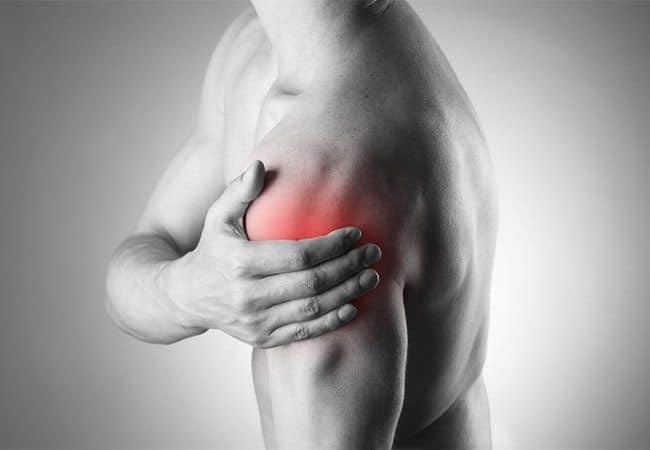
If you are currently trapped in this frustrating cycle, take a deep breath. You are not destined to live with this pain, nor are you required to give up the sports and hobbies you love. However, to actually fix the root cause of your sore shoulder, we have to completely change the way we look at recovery. As of 2025 and 2026, the sports medicine community has completely overhauled its approach to joint pain. We now know that the traditional, old-school advice you grew up with is actually making your shoulder worse. It is time to abandon the passive treatments and embrace the massive, healing power of active rehabilitation.
The Anatomy of a Sore Shoulder: What is Actually Going On?
To fix a machine, you have to understand how it operates. Rather than thinking of your shoulder as a simple hinge, picture it as a complex, high-tension rigging system on a sailboat. Your shoulder blade (scapula) is the mast, and the rotator cuff muscles are the thick ropes keeping the sails tight and the arm anchored. Because this system is designed for massive mobility—allowing you to throw a baseball or reach high overhead—it sacrifices natural skeletal stability.
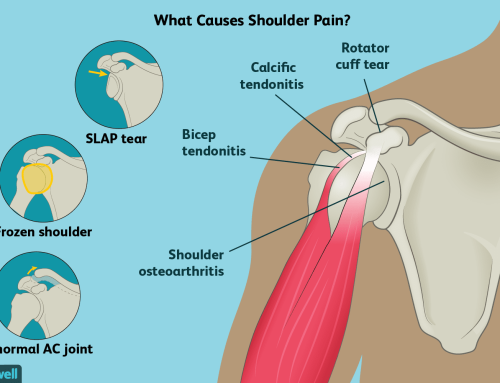
When this delicate system breaks down, it usually manifests in one of three ways:
- Rotator Cuff Degeneration: The “ropes” of the system. Over time, repetitive stress without adequate recovery causes these four tiny muscles and their tendons to become inflamed, frayed, and highly sensitive to load.
- Subacromial Impingement: If you spend your days slouching at a desk, your shoulder blades tilt forward. This postural collapse narrows the tiny gap in your shoulder joint. When you lift your arm, the bones physically pinch the bursa sac and tendons trapped in that gap.
- The Stiffness Cascade: When your mid-back (thoracic spine) becomes locked up from inactivity, your shoulder joint has to hyper-extend and overwork just to perform basic daily tasks, leading to rapid, painful wear and tear.
The New Era of Shoulder Rehab: 2026 Science Explained
If you tell a modern physical therapist that you’ve been resting a sore shoulder with a bag of frozen peas and a tight sling, they will likely stop you in your tracks. Over the last few years, clinical researchers have proven that passive treatments not only fail to heal the shoulder, but they actively delay recovery.
Here is what the latest peer-reviewed science tells us about getting rid of shoulder pain:
1. Ice and Anti-Inflammatories Are Out
For decades, we aggressively attacked inflammation as if it were a disease. Today, the British Journal of Sports Medicine (BJSM) champions the “PEACE & LOVE” protocol, which firmly advises against icing soft-tissue injuries. Why? Because the inflammatory response is your body’s biological construction crew. It brings macrophages and white blood cells to clear out damaged tissue and lay down new fibers. Icing your shoulder slows down this blood flow, essentially sending the construction crew home before the repair is finished.
2. Tendons Demand “Mechanotherapy”
If your shoulder hurts due to tendinopathy, resting will guarantee it stays weak. Landmark literature indexed in PubMed proves that tendons thrive on physical stress. Through a process called mechanotransduction, controlled weightlifting and resistance band work literally signal your tendon cells to manufacture fresh, thick collagen. You cannot rest a tendon into getting stronger; you have to train it.
3. It’s All About the Shoulder Blade
Recent studies in the Journal of Athletic Training have shifted the focus away from the shoulder joint itself and onto the scapula. Researchers found that patients who focused on strengthening the muscles that control the shoulder blade saw vastly superior long-term pain relief. A stable shoulder blade provides a solid foundation, ensuring the arm moves smoothly without pinching the rotator cuff.
The Rest Trap: Why Immobilization is Destroying Your Joints
This is the most crucial, non-negotiable rule of modern recovery: Strictly avoid the outdated R.I.C.E. method (Rest, Ice, Compression, Elevation).
When movement causes pain, your brain tells you to stop moving. But giving in to that instinct and resting your sore shoulder for weeks on end creates a disastrous downward spiral. Relying on prolonged rest, restrictive braces, and inactivity will actively harm your body in the following ways:
- Accelerated Muscle Atrophy: The phrase “use it or lose it” is a biological fact. The stabilizing muscles of the rotator cuff begin wasting away within days of inactivity. When you try to return to your sport or daily chores, your shoulder will be functionally weaker and primed for a major tear.
- Fibrotic Scarring: Tissues that heal while immobilized form a dense, sticky web of disorganized scar tissue. Active movement is required to comb that scar tissue out so it aligns flexibly with your muscle fibers.
- Cartilage Starvation: Your shoulder joint does not have a direct blood supply to its cartilage. It relies entirely on movement to act as a sponge, soaking up and squeezing out synovial fluid to keep the joint lubricated and nourished. Resting literally starves the joint.
Warning: The Danger of a Neglected Shoulder
You cannot simply “wait out” a sore shoulder. Ignoring the nagging pain, or masking it with medication while changing nothing about how you move, places you at high risk for Adhesive Capsulitis (Frozen Shoulder). This incredibly painful condition occurs when the connective tissue surrounding the joint thickens and tightens, completely locking the shoulder in place. A frozen shoulder can take up to two years to resolve and causes immense daily suffering. Furthermore, untreated shoulder pain inevitably travels; your neck and upper back will overcompensate, leading to tension headaches, jaw pain, and severe muscle spasms. Do not let a highly treatable localized ache turn into chronic, full-body pain.
The Active Recovery Blueprint: Healing Through Movement
If rest is the enemy, intelligent movement is the medicine. Active, functional rehabilitation is about systematically challenging the shoulder just enough to trigger adaptation, without causing further damage.
The Main Benefits of Active Rehab
- Restored Joint Space: Mobility exercises correct your posture, pulling the shoulder blades back and opening up the joint space to instantly relieve pinching and impingement.
- Iron-Clad Stability: Targeted strength training rebuilds the rotator cuff, transforming a loose, wobbly shoulder into a tight, durable joint that can handle heavy loads.
- Pain Desensitization: By slowly introducing pain-free movement, you teach your nervous system that the shoulder is safe, which directly dials down the intensity of your pain signals.
- Future-Proofing: Active rehab doesn’t just fix the current ache; it builds a buffer of strength and tissue capacity that protects you from future injuries.
How to Actively Rehab Your Shoulder at Home
You don’t need a gym membership or expensive clinic visits to heal. Follow these three progressive phases:
Phase 1: Wake Up the Muscles (Isometrics)
If reaching overhead is painful, start with static holds. Stand against a wall and push your elbow backward into it, holding the tension for 10 seconds without actually moving your arm. This safe, zero-movement exercise forces the rotator cuff to engage, pumping blood into the area and acting as a powerful natural analgesic (painkiller).
Phase 2: Lubricate the Joint (Active Mobility)
Once your pain levels drop, start introducing unloaded movement. Perform gentle arm circles or use a towel to gently stretch the arm behind your back. Incorporate thoracic spine extensions (arching your mid-back over a foam roller) to improve your posture and give your shoulder blades room to glide.
Phase 3: Rebuild the Armor (Progressive Overload)
Eventually, you must add weight. Using light resistance bands or dumbbells, perform rows, reverse flyes, and external rotations. Start with your arms below shoulder height, and slowly work your way back up to overhead pressing over a period of several weeks.
The Ultimate At-Home Solution: The Malin Method
Trying to design your own rehab program using random social media posts is a recipe for frustration and re-injury. To truly heal, you need a structured, step-by-step roadmap designed by experts. That is exactly where the Malin Method comes in.
Recognized as the premier at-home treatment for any type of injury or chronic pain in the body, the Malin Method replaces outdated, passive advice with an elite, movement-based curriculum. It leverages the latest principles of progressive loading, functional movement retraining, and targeted mobility to systematically rebuild your body. Whether you have a nagging sore shoulder, a stiff lower back, or aching knees, this program provides you with manageable daily routines that eliminate pain at its source. Don’t settle for living with a compromised shoulder—use the Malin Method to take control of your recovery and permanently reclaim the active life you deserve.
People Also Ask (FAQs)
How should I sleep with a sore shoulder?
Sleeping on a sore shoulder compresses the bursa and restricts blood flow, which is why it often aches worst in the morning. If you are a side sleeper, sleep on your “good” side and hug a thick pillow against your chest; rest your bad arm on top of this pillow to keep the shoulder joint open and in a neutral, supported position. If you sleep on your back, place a small folded towel under the painful shoulder blade to prevent it from sagging backward into the mattress.
Is it normal for my shoulder to grind or pop?
Yes, painless popping, clicking, or grinding (known as crepitus) is completely normal. The shoulder is a complex intersection of tendons and bones. As you move, tendons can snap over bony ridges, and tiny gas bubbles in the joint fluid can pop. As long as these sounds are not accompanied by sharp pain, weakness, or a feeling of the joint giving way, they are nothing to worry about.
How do I know if I am pushing too hard during rehab?
A successful rehab program requires you to experience some discomfort—usually a dull, muscular ache that hovers around a 3 or 4 out of 10. This “good pain” means the tissue is working. However, you are pushing too hard if you experience sharp, stabbing pain, or if your pain levels remain significantly elevated 24 hours after your workout. Always listen to your body and adjust the weight or range of motion accordingly.
When is a sore shoulder an emergency?
While movement fixes most chronic shoulder issues, you should seek immediate evaluation from a physician if your pain is the direct result of a sudden, high-speed trauma (like a bike crash or a heavy fall). Additionally, consult a doctor if your shoulder has a visible, abnormal bulge, if you experience sudden numbness radiating down to your fingertips, or if your shoulder is red, hot to the touch, and accompanied by a fever, which could indicate a severe joint infection.
Final Takeaway: A sore shoulder is a clear signal that your body needs to adapt, not an excuse to stop moving. Throw away the sling, step away from the ice packs, and embrace the power of modern mechanotherapy. By following a structured, progressive active rehabilitation plan like the Malin Method, you can rebuild your tissue resilience, erase your pain, and build a stronger, bulletproof upper body.