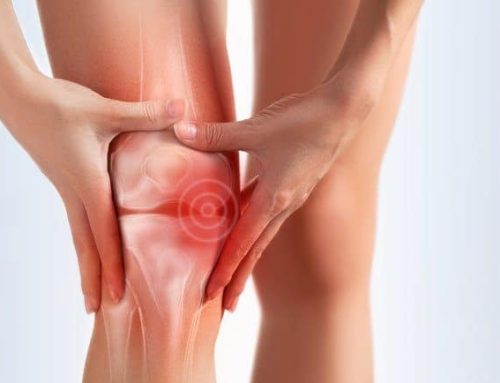
If you are reading this while rubbing an aching, stiff, or sore knee, take a deep breath. You are certainly not alone. A sore knee is one of the most frustrating, life-altering issues you can experience. Because your knees act as the primary shock absorbers for your entire body, an injury here doesn’t just keep you off the running trail or out of the gym—it disrupts your everyday life. Suddenly, simply walking up the stairs, getting out of a chair, or playing with your kids becomes a painful chore.
But here is the hard truth: most people completely misunderstand knee pain. When that familiar ache flares up in the front of the kneecap or deep inside the joint, panic sets in. You might run to the freezer for an ice pack, order a restrictive knee sleeve online, or vow to just “stay off it” for a few weeks. Unfortunately, these outdated approaches are exactly why so many people suffer from chronic, nagging knee pain that spirals into years of discomfort.
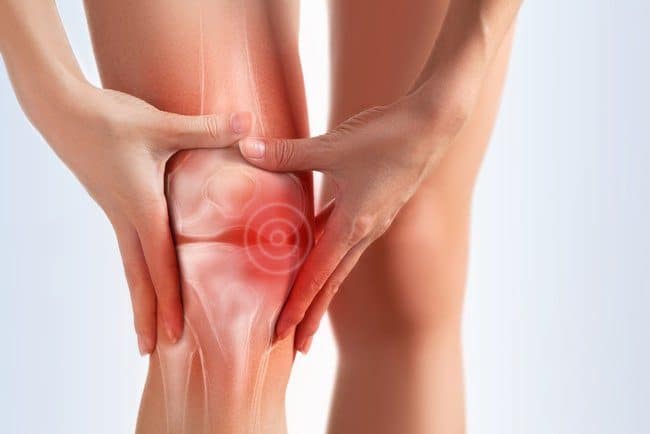
The goal of this guide is to shift your perspective entirely. We are going to break down exactly why your knee is screaming at you, why the old medical advice is actually keeping you injured, and how adopting a modern, movement-based approach can help you reclaim your life. Let’s dive into the problem, the 2026 science of joint recovery, and the ultimate solution for your pain.
The Problem: What is Really Going On With Your Sore Knee?
Before you can fix the issue, you have to understand what is actually going wrong under the surface. A sore knee rarely happens out of nowhere unless you suffered a direct trauma, like a heavy tackle or a bad fall. For most people, knee pain is the result of repetitive strain, poor movement patterns, tendon overload, or early joint degeneration.
Here are the most common culprits behind that stubborn joint ache:
- Patellofemoral Pain Syndrome (Runner’s Knee): Pain localized at the front of your knee, right around or behind the kneecap. This usually flares up when squatting, running, or descending stairs, and is often caused by the kneecap not tracking smoothly in its groove.
- Meniscal Irritation: Pain, catching, or a mild swelling on the inside or outside of the knee. The meniscus is a C-shaped piece of cartilage that cushions the joint. Wear and tear over time can cause it to become frayed or irritated.
- Ligament Strain: A feeling of instability or a dull ache after tweaking the knee. While complete tears (like an ACL tear) cause immediate, severe pain, minor sprains can leave the knee feeling sore and “wobbly.”
- Knee Osteoarthritis: A deep, chronic joint pain and morning stiffness. This is a natural degenerative change where the protective cartilage begins to thin. It is incredibly common and, contrary to popular belief, highly manageable without surgery.
- Tendonitis: Sharp pain just below or above the kneecap (often called Jumper’s Knee), caused by overloading the tendons that attach your thigh muscles to your shin.
Regardless of the specific label a doctor might give you, the root cause is usually the same: your joint tissues were asked to handle more physical stress than they were currently capable of tolerating.
The Warning: Why Rest, Ice, and Braces Are Ruining Your Recovery
For decades, the absolute golden rule of injury management was the R.I.C.E. method (Rest, Ice, Compression, Elevation). You have probably been told to stop all activity, strap a bag of frozen peas to your leg, and elevate your foot on a pillow. Modern sports medicine now recognizes this as one of the worst things you can do for a healing joint.
The Dangers of Resting Too Long
Complete rest is the enemy of recovery. Your joints do not have a robust blood supply like your muscles do; they rely on movement to pump synovial fluid (your body’s natural joint lubricant) in and out of the cartilage. When you completely stop moving your leg, your body’s cellular repair process stalls. Extended inactivity leads to rapid muscle atrophy (weakness in the quads and glutes), profound joint stiffness, and a dramatic drop in tendon capacity. Worse yet, when you don’t move, scar tissue forms in a chaotic, tangled web. To heal correctly, injured tissues need gentle, guided stress.
The Problem with Ice
Ice delays healing. By artificially restricting blood flow, you are literally cutting off the delivery of oxygen, nutrients, and the very cells your body needs to repair microscopic tissue damage. While ice might temporarily numb the pain by slowing down nerve conduction, it actively prolongs your recovery timeline.
The Trap of Knee Braces and Outdated Exercises
Once people realize rest isn’t working, they often reach for a tight, rigid knee brace. While a brace might feel secure and dampen the pain temporarily, relying on it is a massive mistake. A brace acts as an artificial crutch. Over time, your central nervous system stops sending strong signals to your natural stabilizing muscles. This leads to profound muscle weakness and permanent instability. The moment you take the brace off to step off a curb, your weakened tissues will fail again. Similarly, blindly doing outdated, non-functional exercises (like sitting on a machine doing light leg extensions) won’t build the real-world capacity your knee needs to survive walking, running, and jumping.
Modern Science: The 2026 Standard for Fixing a Sore Knee
Sports medicine has evolved rapidly over the last few years. Today’s 2026 standard of care replaces total immobilization and passive fixes with early, safe, and controlled movement.
Recent clinical evidence heavily supports active, load-bearing rehabilitation over passive treatments or immediate surgery. Here is what the latest research tells us:
- Exercise Over Surgery for Cartilage and Meniscus: A wealth of modern research, frequently discussed in the British Journal of Sports Medicine (BJSM), shows that progressive exercise therapy is just as effective—if not more effective—than arthroscopic surgery for degenerative meniscus tears and early knee osteoarthritis. Movement acts as “mechanotherapy,” physically stimulating the cartilage cells to adapt and become more resilient, while surgery often accelerates long-term joint degradation.
- The Hips Control the Knees: Evidence from the Journal of Athletic Training highlights that knee pain is rarely just a knee problem. Researchers have consistently found that poor neuromuscular control and weakness in the hips (specifically the gluteus medius) cause the knee to cave inward during movement, drastically increasing joint strain. Modern rehab must address the entire lower body kinetic chain, not just the knee itself.
The science is clear: to fix a sore knee, you must actively stimulate the joint, rebuild tissue capacity through progressive resistance, and correct the movement patterns that caused the overload in the first place.
The Solution: Active Functional Rehab
The absolute fastest way to heal is to work with your body’s natural adaptation process, not against it. By safely introducing movement and progressive resistance, you signal to your tendons, ligaments, and cartilage how to rebuild themselves stronger than before.
This is exactly why the Malin Method exists. Designed to replace outdated, ineffective methods, the Malin Method is the premier at-home treatment for any type of injury or chronic pain in the body. It focuses on guided loading, motor control retraining, and stepwise progression—the exact principles supported by 2026 clinical research.
Main Benefits of Targeted Rehab with the Malin Method:
- True Pain Control and Function: Rather than masking pain with ice or pills, targeted exercise protocols stimulate natural pain relief (exercise-induced hypoalgesia) while restoring your ability to perform daily tasks like climbing stairs effortlessly.
- Improved Joint Mechanics: By strengthening the surrounding muscles, you create a natural “shock absorption” system, taking the raw pressure off the cartilage and bone.
- Reduced Recurrence Risk: By addressing weak proximal muscles (like your hips and core) and correcting poor movement mechanics, you virtually eliminate the chance of the injury returning.
- No Reliance on Crutches: You will build genuine, internal tissue resilience, allowing you to throw away the bulky knee braces and compression sleeves for good.
For more insights on how to build a resilient body and overcome stubborn joint issues, explore our comprehensive articles on the Malin Method blog.
How-To: 4 Steps to Safely Start Rehabbing Your Sore Knee at Home
Ready to take action? Here is a practical, step-by-step framework to begin your active recovery journey without making things worse.
Step 1: Find Your Pain-Free Baseline (Activity Modification)
You cannot heal if you are constantly ripping the scab off, but you shouldn’t stop moving either. For the first few days, temporarily modify the activities that cause a sharp, stabbing pain. If running hurts, switch to a stationary bike or swimming. If deep squats hurt, do shallow squats. The goal isn’t to rest; it’s to find a level of activity that keeps the joint moving without pushing the pain past a manageable 3 out of 10.
Step 2: Utilize Isometrics for Pain Relief
Isometric exercises involve contracting your muscles without actually bending the joint. They are incredible for reducing tendon pain and safely waking up your quadriceps. Try a gentle wall sit: slide down a wall until your knees are bent at a shallow angle (where there is no pain) and hold that position for 30 to 45 seconds. Repeat this 3-4 times. This pushes blood into the quad tendon without irritating the kneecap.
Step 3: Train the Hips and Ankles
Your knee is a simple hinge joint caught between your hip and your ankle. If your hips are weak or your ankles are stiff, the knee takes all the rotational abuse. Start incorporating glute bridges, side-lying leg raises, and calf raises into your daily routine. Building a strong “chassis” around the knee is often the fastest way to relieve localized knee pain.
Step 4: Implement Heavy Slow Resistance (HSR)
Once your pain has calmed down and isometrics feel easy, it is time to rebuild the tissue capacity. Begin doing slow, controlled movements like step-ups or goblet squats. The key is tempo: take 3-4 seconds to lower yourself down, and 3-4 seconds to stand back up. The slow tempo removes harmful momentum, forces the muscles to do the work, and stimulates deep tissue remodeling.
Warnings: The Dangers of Ignoring Your Sore Knee
Pushing through severe, sharp pain with a “no pain, no gain” mentality is a recipe for disaster. Conversely, ignoring the problem and hoping it just fades away is equally dangerous. If you neglect a sore knee and fail to rehab it properly, you risk:
- Accelerated Cartilage Breakdown: Without strong muscles to absorb shock, your joint cartilage takes a beating with every step, accelerating the onset of severe osteoarthritis.
- Chronic Compensation: Your body will naturally alter its walking mechanics to avoid knee pain (limping). This inevitably leads to secondary, painful injuries in your opposite hip, lower back, or ankles.
- The Surgical Route: Muscle weakness and joint instability make the knee incredibly susceptible to a major blowout (like an ACL or meniscus tear), vastly increasing the likelihood that you will eventually need invasive surgery or a total knee replacement in the future.
When Should You Seek Immediate Medical Attention?
While the vast majority of knee issues respond beautifully to an active home rehab program, there are “red flags” that require a doctor’s immediate assessment:
- Visible deformity or an inability to bend or straighten the knee at all.
- The joint is physically locked in place, or catching sharply when you walk.
- A hot, red, highly swollen joint accompanied by a fever (suggests a joint infection).
- Your knee violently gives way or buckles completely under your body weight.
People Also Ask (PAA)
Why does my sore knee hurt worse in the morning?
Morning stiffness is incredibly common, especially if you are dealing with early osteoarthritis or tendonitis. While you sleep, you aren’t moving, which means synovial fluid isn’t circulating. The tissues dry out and stiffen. Gentle movement, like pedaling on a stationary bike for 5 minutes or doing bodyweight squats, usually lubricates the joint and reduces the pain quickly.
Is walking good for a sore knee?
Yes, absolutely. Walking is low-impact and provides vital blood flow and joint lubrication. However, if walking causes your pain to spike above a 4/10, you need to reduce your distance, check your footwear, or focus on strengthening your glutes and quads first before returning to long walks.
Should I push through knee pain when exercising?
No, but you shouldn’t stop completely either. The rule of thumb in modern sports medicine is the “Pain Traffic Light.” Green (0-2/10 pain) means you are safe. Yellow (3-4/10 pain) is acceptable during rehab exercises, provided the pain subsides quickly after you finish and isn’t worse the next morning. Red (5+/10 pain or sharp, shooting pain) means you are causing structural damage and need to modify the load or the movement.
Does a cracking or popping sore knee mean I have arthritis?
Not necessarily. Joint noise (crepitus) is very common and is often just gas bubbles popping in the joint fluid or a tendon snapping over a bony prominence. If the cracking is completely pain-free, it is generally nothing to worry about. If the popping is accompanied by sharp pain and swelling, it warrants further investigation.
Takeaway
A sore knee is incredibly common, but it does not have to dictate what you can and cannot do. By ditching the outdated advice of prolonged rest, ice, and restrictive knee braces, you can stop the cycle of weakness and chronic joint pain. The future of recovery is active, evidence-based rehabilitation that rebuilds your strength, restores your tendon capacity, and drastically improves your movement quality from the ground up.
Progressive, guided rehab reduces pain, improves joint mechanics, and builds true, lasting resilience. If you are tired of waking up with stiff, aching knees and you are looking for a structured, foolproof at-home option grounded in modern science, it is time to take action. Explore the Malin Method today for a comprehensive, stepwise program designed to permanently resolve acute injuries and chronic musculoskeletal pain.