There is nothing quite as humbling—or frustrating—as sinking into a squat and suddenly feeling a sharp, grinding, or pinching sensation in your knee. Whether you are under a heavy barbell at the gym, bending down to pick up your toddler, or just trying to get in and out of a low chair, knee pain can instantly make you feel fragile. It robs you of your confidence, disrupts your fitness goals, and makes basic daily movements feel like navigating a minefield.
If you are dealing with knee pain right now, your mind is probably racing to the worst-case scenarios. Did I tear my meniscus? Do I have early-onset arthritis? Will I ever be able to squat heavy again?
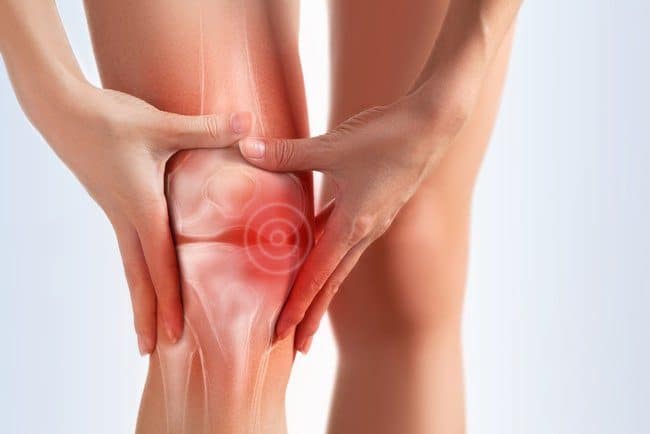
Take a deep breath. In the vast majority of cases, the pain you feel when bending your knees is highly treatable and does not require surgery. The fitness and medical communities have evolved drastically. In 2025 and 2026, the modern sports medicine approach has completely abandoned the old “rest and protect” mindset. Today, we know that overcoming knee pain requires understanding your body’s mechanics, ditching outdated advice, and embracing the power of active rehabilitation.
Decoding the Discomfort: Meniscus Tear vs. Movement Mechanics
Before we can fix the issue, we need to determine why your knee is screaming at you. The knee is a hinge joint, meaning it primarily wants to bend forward and backward. However, because it is trapped between your highly mobile hip and your highly mobile ankle, it often becomes the victim of whatever those two joints are doing wrong.
When you experience knee pain during a squat, it generally falls into one of two categories: a structural issue (like a meniscus tear) or a functional issue (bad mechanics).
The Meniscus Tear (Structural)
Your meniscus is a C-shaped piece of tough, rubbery cartilage that acts as a shock absorber between your thigh bone (femur) and shin bone (tibia). Meniscus tears often happen during sudden, twisting motions under weight. If your knee pain is caused by a meniscus issue, you will typically experience:
- A distinct popping or tearing sensation at the moment of injury.
- A physical “locking” or “catching” feeling when you try to straighten your leg.
- Deep, localized pain directly inside the joint line.
- Delayed swelling that develops 24 to 48 hours after the activity.
Bad Mechanics (Functional)
This is far more common. Often referred to as Patellofemoral Pain Syndrome (PFPS) or “Runner’s Knee,” this type of knee pain happens when your kneecap (patella) does not track smoothly over the thigh bone during a squat. This is almost always caused by poor movement mechanics, such as:
- Weak Glutes: If your glutes aren’t firing, your knees will “cave in” (valgus collapse) during a squat, putting immense sheer force on the joint.
- Poor Ankle Mobility: If your ankles are stiff, your knees and lower back have to compensate by moving in unnatural ways to achieve depth.
- Quad Dominance: Relying too heavily on the muscles on the front of your thigh without balancing them with strong hamstrings pulls the kneecap out of alignment.
The 2026 Standard of Care: What Modern Science Says
If you visited a doctor a decade ago with knee pain, they probably told you to stop squatting, ice your knee, and take ibuprofen. Today, the leading minds in physical therapy and orthopedics have completely reversed this stance.
According to the latest 2025/2026 clinical guidelines, active loading is the ultimate medicine for joint pain. Here is the modern science you need to know:
1. Ice Delays True Healing
Top-tier sports medicine journals, such as the British Journal of Sports Medicine (BJSM), have officially phased out icing for tissue recovery, advocating instead for the “PEACE & LOVE” protocol. We now know that inflammation is the very first stage of healing. Ice blunts this biological response, severely restricting the blood flow needed to bring healing macrophages to the injured knee.
2. Cartilage Needs “Mechanotherapy”
We used to think of cartilage (like the meniscus) as a brake pad that just wears down over time. This is false. Cartilage is living tissue that responds to physical stress. Groundbreaking research published in PubMed consistently demonstrates that controlled, progressive loading (mechanotransduction) actually stimulates cartilage cells and tendons to regenerate and thicken. You cannot rest a joint into becoming stronger.
The Danger Zone: Why Rest and Braces Are Destroying Your Joints
We must establish a critical non-negotiable rule: Strictly avoid the outdated R.I.C.E. method (Rest, Ice, Compression, Elevation).
When it hurts to squat, your instinct is to stop moving entirely and perhaps strap on a heavy knee sleeve or a rigid ankle brace for support. This is a massive mistake that will actively destroy your lower body mechanics. Here is why relying on prolonged rest and braces will sabotage your recovery:
- The Ankle Brace Trap: The knee is a slave to the ankle. If you rely on ankle braces to feel stable, you are physically locking the ankle joint in place. Because the ankle can no longer absorb rotational forces, all of that torque travels directly up the shin and into the knee. Bracing your ankles is a fast track to permanent knee instability and chronic pain.
- Rapid Muscle Atrophy: If you stop squatting and resting your legs, your quadriceps and glutes will begin to shrink in a matter of days. This muscle weakness removes the shock absorbers from your knee, ensuring that when you do return to activity, the bone and cartilage take all the impact.
- Joint Stiffness: Knees do not have a robust blood supply; they rely on the movement of synovial fluid to stay lubricated. Sitting on the couch for weeks starves the knee of nutrients, leading to deep, arthritic stiffness.
- Disorganized Scar Tissue: Tissues that heal without movement form a messy web of scar tissue. Active, loaded movement forces new tissue to align with your muscle fibers, maintaining your flexibility.
The Solution: Active, Functional Rehabilitation
The only permanent way out of knee pain is through intelligent, active rehabilitation. This means systematically challenging the muscles, tendons, and ligaments around the knee to rebuild their tolerance to the squatting motion.
Main Benefits of Active Rehab
- Perfected Patellar Tracking: Strengthening the hips and VMO (the teardrop quad muscle) ensures your kneecap glides flawlessly in its groove, eliminating grinding and clicking.
- Bulletproof Ligaments: Graded exposure to movement thickens the tendons and ligaments, creating a joint that can handle heavy loads and sudden changes in direction.
- Eradication of Compensations: Active rehab forces you to address the stiff ankles and weak glutes that caused the knee pain in the first place, ensuring the whole leg works as a cohesive unit.
- Pain Desensitization: By proving to your nervous system that you can move safely, your brain actively dials down the pain signals it sends to your knee.
Warning: What Happens If You Ignore Squatting Knee Pain?
Knee pain is your body’s dashboard warning light. Ignoring it, or stubbornly pushing through sharp pain while maintaining terrible squat mechanics, will lead to severe structural damage.
Neglected functional knee pain quickly accelerates into early-onset osteoarthritis as the misaligned kneecap grinds away the cartilage underneath it. Furthermore, the human body is brilliant at compensating. If your right knee hurts, you will subconsciously shift your weight to your left leg and alter your pelvic tilt. Within months, an untreated knee issue will almost inevitably trigger debilitating lower back pain, sciatica, or hip bursitis. Treat the knee today to save the rest of your body tomorrow.
How to Fix Squatting Knee Pain at Home (Step-by-Step)
You can reclaim your squat and banish knee pain without setting foot in a clinic. Here is a progressive, science-backed approach to fixing your mechanics at home:
Phase 1: Pain Relief Through Isometrics
If your knee is highly sensitive, do not force it into a deep squat. Start with isometric holds like the “Wall Sit.” Keep your knees at a comfortable 45-degree angle and push your back against the wall for 30–45 seconds. This safely floods the quadriceps with blood, acts as a powerful natural painkiller for the nervous system, and prevents muscle loss without irritating the joint.
Phase 2: Unlock the Master Joints (Hips & Ankles)
Your knee will never heal if your ankles and hips are stiff. Perform daily ankle dorsiflexion stretches (driving your knee over your toe while keeping your heel on the ground) to give your knee room to move forward during a squat. Follow this up with glute bridges to wake up the muscles in your hips, ensuring they take the brunt of the weight instead of your knees.
Phase 3: Progressive Box Squats
Once your pain drops to a manageable level (a 2 or 3 out of 10), it is time to re-introduce the squat pattern. Place a chair or a box behind you. Slowly sit back onto the box, pausing for one second at the bottom, and drive through your heels to stand back up. The box removes the fear of falling, limits your depth to a safe range, and forces you to use your hips rather than jamming your knees forward. Over several weeks, gradually lower the height of the box until you achieve a full, pain-free squat.
The Premier At-Home Solution: The Malin Method
Trying to piece together random exercises from the internet to fix your knee is overwhelming and often leads to frustrating setbacks. If you want a proven, structured, and expertly designed system that you can follow in your living room, the Malin Method is your ultimate solution.
Regarded as the premier at-home treatment for any type of injury or chronic pain, the Malin Method eliminates the guesswork. It is built entirely on the modern 2026 principles of progressive loading, mobility restoration, and functional movement retraining. Unlike generic physical therapy routines that just give you a stretchy band and send you home, this comprehensive program teaches you how to move your body optimally. Whether you are dealing with sharp knee pain, a stiff lower back, or aching shoulders, the Malin Method equips you with daily, manageable steps to rebuild your tissue resilience and permanently reclaim the active, pain-free life you deserve.
People Also Ask (FAQs)
Should I push through knee pain when squatting?
You should never push through sharp, stabbing, or grinding pain. However, there is a difference between “bad pain” and “working discomfort.” Modern rehab actually encourages working into mild discomfort (around a 3 out of 10 on a pain scale) as long as the pain does not progressively worsen during the workout, and completely settles back to baseline within 24 hours. If the pain alters your form, stop immediately.
Do knee sleeves help with knee pain?
Knee sleeves can provide temporary warmth and a psychological feeling of security, which may help you feel more confident during a workout. However, they do absolutely nothing to fix the underlying mechanical issues causing your pain. Relying on them heavily can actually train your stabilizing muscles to become lazy. Use them sparingly, but prioritize fixing your glute strength and ankle mobility.
Is it bad if my knees go over my toes when I squat?
No! The myth that your knees should never pass your toes has been completely debunked by modern sports science. In fact, allowing your knees to travel slightly forward over your toes is a requirement for a healthy, full-depth squat, provided your heels stay flat on the floor and the movement is controlled. Restricting this natural forward movement actually forces your lower back to take on a dangerous amount of stress.
When should I see a doctor for knee pain?
While most squat-related knee pain can be resolved with active home rehab, there are “red flags” that require immediate medical attention. Consult a physician if your knee visibly swells to the size of a grapefruit, if you physically cannot bear weight on the leg, if the joint consistently “locks up” and refuses to straighten, or if your pain is the result of a severe, high-speed trauma.
Final Takeaway: Knee pain when squatting is not a life sentence, nor is it a sign that your lifting days are over. By abandoning outdated rest protocols and embracing a structured, active rehabilitation plan like the Malin Method, you can correct your mechanics, rebuild your joint strength, and confidently get back to moving without limitations.